How to Choose the Right Roofing Material for Your Florida Home
Your roof does more than keep the rain out. In Florida, it’s your home’s first line of defense against hurricanes, intense UV exposure, heavy rain, and year-round humidity. Choosing the wrong material can mean costly repairs, higher energy bills, and a roof that doesn’t last.
At Rebuild Florida Direct, we help homeowners across the state make smart roofing decisions every day. Here’s what you need to know before your next roof replacement or new installation.
Why Roofing Material Matters More in Florida
Florida’s climate puts roofs through conditions that most states never experience. Between the salt air along the coast, the daily summer storms, and the constant threat of tropical systems, your roofing material needs to handle:
- Hurricane-force winds — up to 150+ mph in some zones
- Heavy rainfall — Florida averages over 50 inches of rain per year
- Extreme UV exposure — year-round sunshine breaks down cheaper materials fast
- Humidity and moisture — creates perfect conditions for mold, mildew, and rot
- Salt air — coastal homes face accelerated corrosion and wear
Not every material is built for this. Here’s how the most common options stack up.
Asphalt Shingles
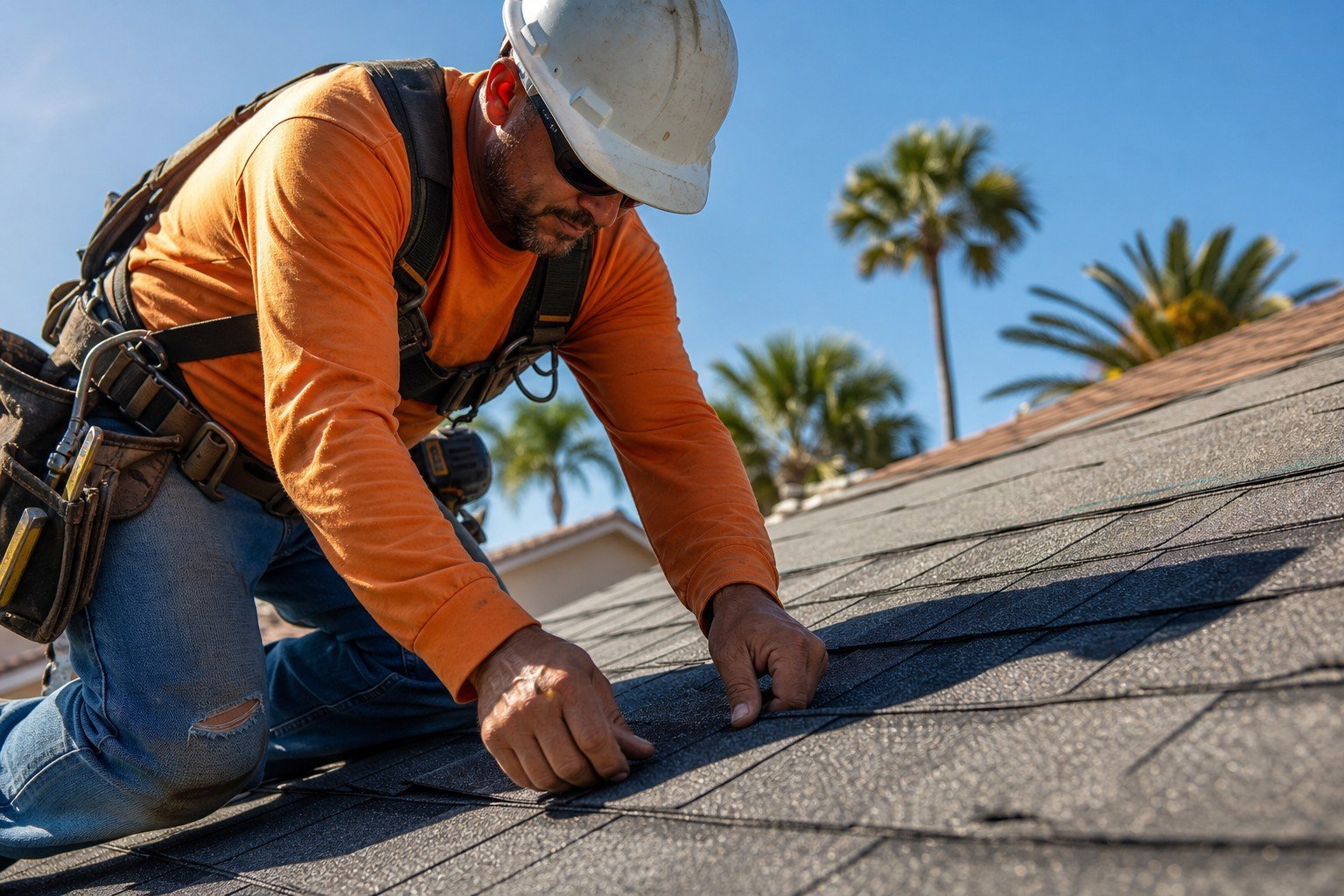
Asphalt shingles are the most popular roofing material in the U.S., and for good reason — they’re affordable and come in a wide range of colors and styles. However, not all asphalt shingles are created equal.
In Florida, you want to look for:
- Impact-rated shingles (Class 3 or Class 4) designed to resist hail and flying debris
- High wind-rating — look for shingles rated for 130 mph or higher
- Algae-resistant coatings — Florida’s humidity makes algae growth a real problem
Standard asphalt shingles typically last 15–20 years in Florida. Premium architectural shingles can last 25–30 years with proper installation and maintenance.
Best for: Budget-conscious homeowners who want a reliable, code-compliant roof.
Metal Roofing
Metal roofs have become increasingly popular in Florida — and for good reason. Standing seam metal roofing is one of the most hurricane-resistant options available, and it reflects solar heat, helping reduce cooling costs.
Key benefits for Florida homeowners:
- Wind resistance up to 160 mph or more
- Lifespan of 40–70 years — often the last roof you’ll ever need
- Energy efficiency — reflects sunlight, keeping your home cooler and lowering AC bills
- Resistant to rot, mold, and insects
- Lightweight — less stress on your home’s structure
The upfront cost is higher than asphalt, but the long-term savings on energy and replacement costs often make it the smarter investment.
Best for: Homeowners planning to stay in their home long-term, or anyone in a high-wind zone.
Concrete and Clay Tile
Tile roofs are a Florida classic. You’ll see them across the state — especially in South Florida — and they offer a distinctive look that adds curb appeal and resale value.
- Extremely durable — concrete and clay tiles can last 50+ years
- Excellent wind resistance when properly installed
- Fire-resistant and insect-proof
- Great thermal performance — the air space under tiles provides natural insulation
The main drawback is weight. Tile roofs are heavy, and your home’s structure needs to support them. Installation also costs more than asphalt, and repairs can be more involved.
Best for: Homeowners who value aesthetics and long-term durability, especially in Mediterranean or Spanish-style homes.
Flat Roof Systems (TPO, Modified Bitumen)
Many Florida homes — especially modern builds and commercial properties — feature flat or low-slope roofs. These require specialized materials:
- TPO (Thermoplastic Polyolefin) — energy-efficient, reflective, and durable. Great for flat roofs.
- Modified Bitumen — a proven, multi-layer system with strong waterproofing.
- Proper drainage is critical — standing water is the number one enemy of flat roofs in Florida’s rainy climate.
Best for: Flat or low-slope roof structures, commercial buildings, and modern home designs.
How to Make the Right Choice
Choosing a roofing material isn’t just about cost — it’s about matching the material to your specific situation. Consider these factors:
- Your location — Coastal homes need corrosion-resistant materials. Inland homes have more flexibility.
- Your budget — Factor in both upfront cost and long-term value. A metal roof costs more today but saves money over 30+ years.
- Your HOA requirements — Some communities restrict roofing materials or colors. Check before you commit.
- Your home’s structure — Not every home can support a heavy tile roof. A licensed contractor can assess this.
- Florida Building Code — All roofing materials must meet current wind-resistance codes for your area. Your contractor should handle compliance.
Don’t Skip the Inspection
Before choosing a new roof, get a professional inspection of your current one. Sometimes a repair is all you need. Other times, an inspection reveals underlying damage — from past storms, improper installation, or age — that makes replacement the smarter move.
At Rebuild Florida Direct, we offer free roof inspections to every homeowner. No pressure, no obligation — just an honest assessment of your roof’s condition and your best options.
Ready to Talk Roofing?
Your roof is the most important part of your home’s protection. Don’t leave it to chance — or to contractors who cut corners.
👉 Schedule your free inspection with Rebuild Florida Direct today and get expert guidance on the best roofing material for your home, your budget, and your peace of mind.
Rebuild Florida Direct is a licensed, insured roofing contractor serving homeowners across the state of Florida. We specialize in storm damage repair, full roof replacements, and honest inspections — no gimmicks, no pressure.