How to File a Roof Insurance Claim in Florida: A Step-by-Step Guide
Filing a roof insurance claim in Florida can feel overwhelming — especially when you’re dealing with storm damage and the pressure to get your home repaired quickly. But the process doesn’t have to be stressful if you understand how it works and what to do at each step.
At Rebuild Florida Direct, we’ve guided hundreds of homeowners through the claims process. Here’s the complete roadmap from damage discovery to claim payout.
Step 1: Inspect and Document the Damage
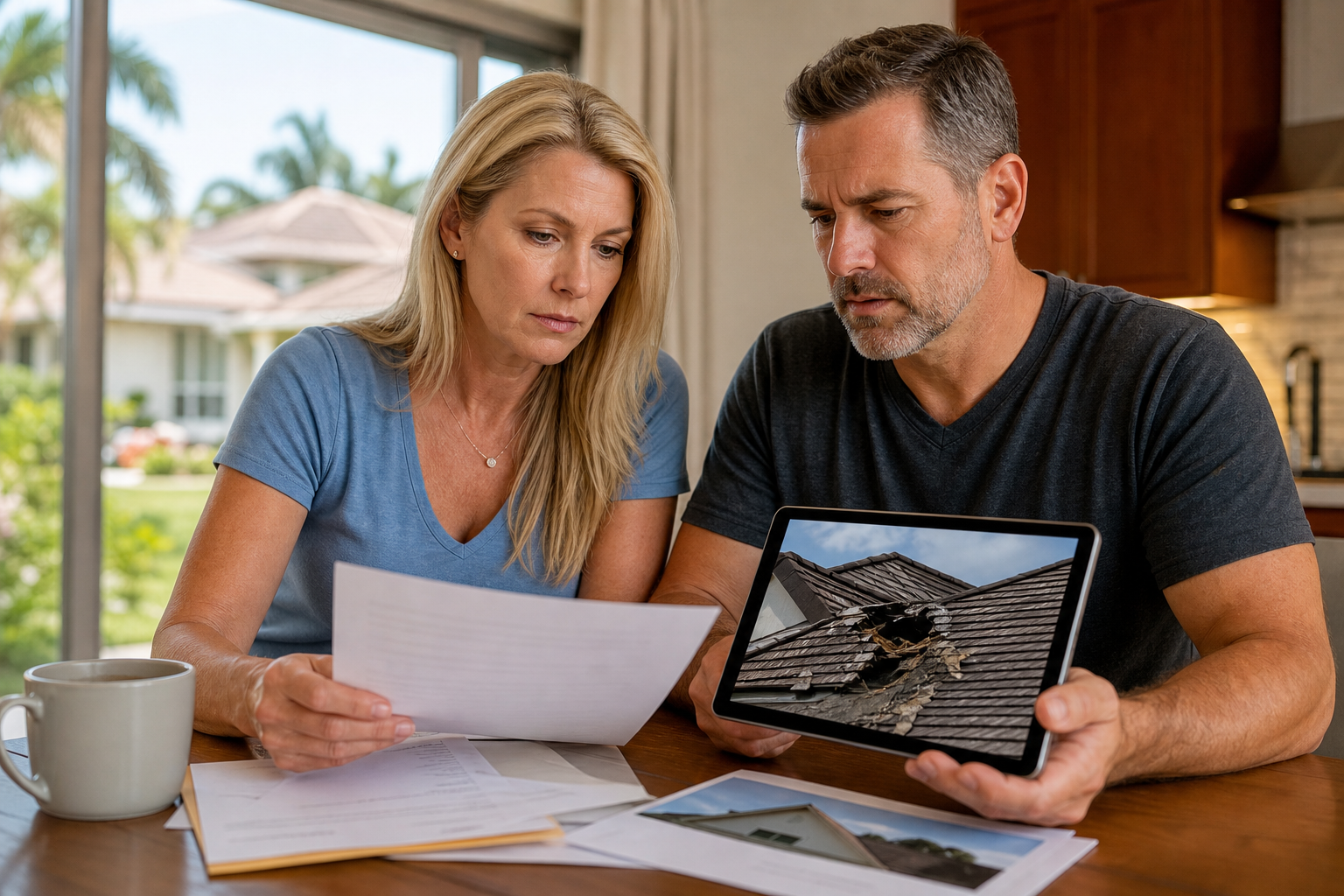
The strength of your claim starts with documentation. Before you call your insurance company:
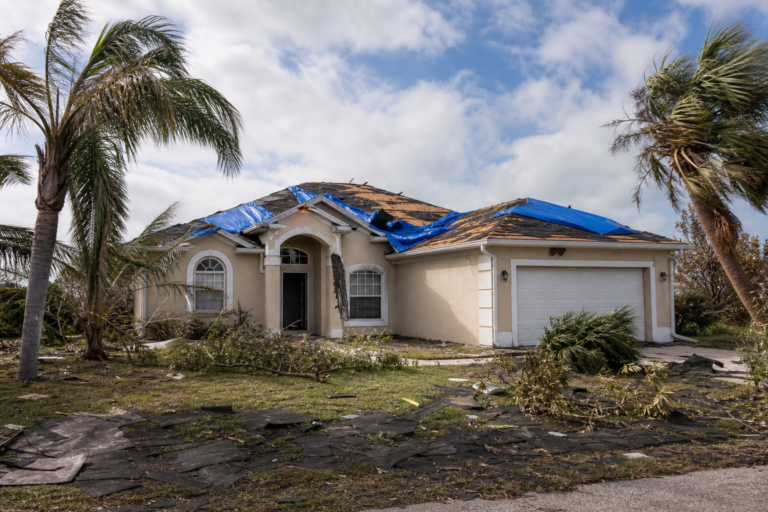
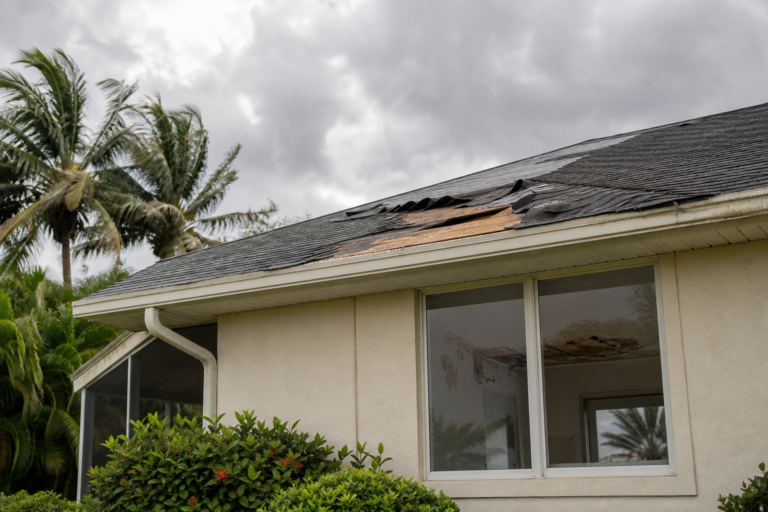
- Walk the exterior of your home and photograph all visible damage — missing shingles, dents, debris impacts, damaged gutters, fascia, and soffits
- Check inside for water stains, ceiling bubbles, wet walls, and damp insulation in the attic
- Take wide-angle and close-up photos of every area of concern
- Record a video walkthrough narrating what you see
- Note the date and weather event that caused the damage
Thorough documentation is the single most important factor in getting a fair settlement. Insurance adjusters make decisions based on evidence — give them plenty of it.
Step 2: Schedule a Professional Roof Inspection
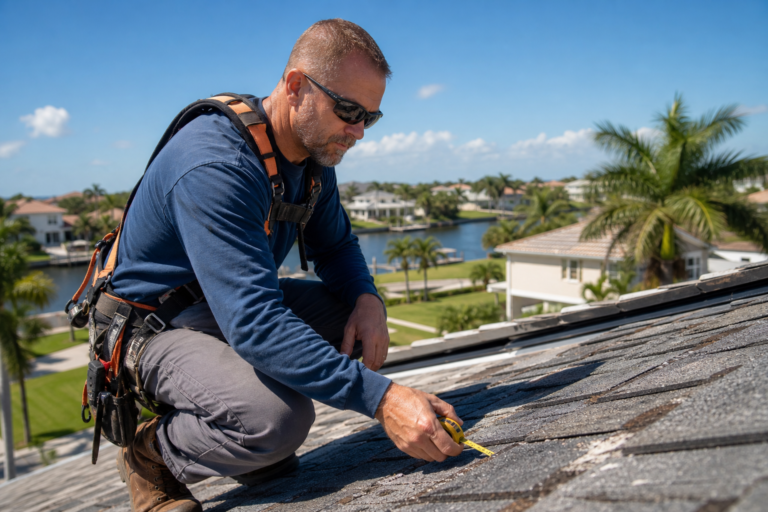
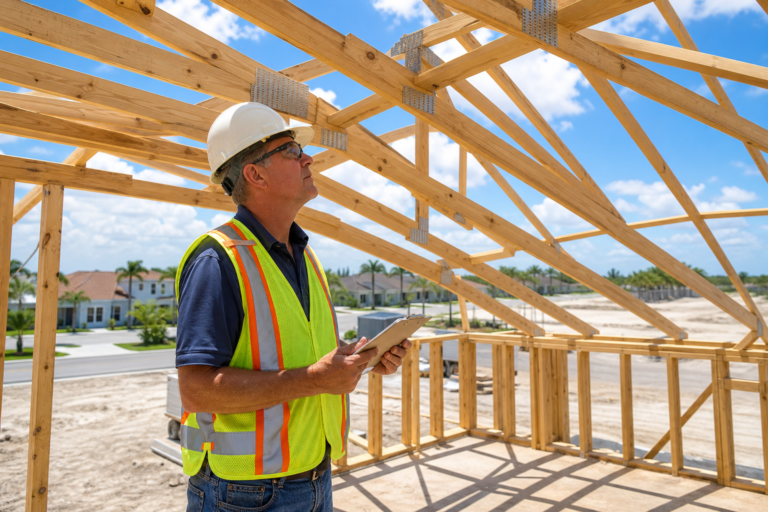
Before filing your claim, get a licensed roofing contractor to inspect your roof. A professional can identify damage you can’t see from the ground:
- Bruised or cracked shingles that appear intact from below
- Compromised flashing around vents, skylights, and chimneys
- Damaged underlayment beneath the surface
- Weakened fasteners or lifted shingle tabs
- Structural issues with decking or trusses
A detailed contractor report gives your claim more credibility and ensures nothing is missed. At Rebuild Florida Direct, we provide free storm damage inspections with a written report and photo documentation.
Step 3: File Your Claim Promptly
Contact your insurance company as soon as possible after discovering damage:
- Call the claims hotline — Most insurers have 24/7 storm response lines
- Provide your policy number and a brief description of the damage
- Ask about your deductible — Florida hurricane deductibles are percentage-based (typically 2–5% of your dwelling coverage), not a flat amount
- Get a claim number and the name of your assigned adjuster
- Ask about the inspection timeline — When will an adjuster come to your property?
Florida law requires insurance companies to acknowledge your claim within 14 days and pay or deny within 90 days. Document every communication.
Step 4: Meet With the Insurance Adjuster
The insurance company will send an adjuster to inspect your property. Here’s how to prepare:
- Be present during the inspection — Walk the property with the adjuster and point out all damage areas
- Have your contractor present if possible — They can point out technical damage the adjuster might overlook
- Provide your documentation — Share your photos, videos, and contractor report
- Don’t sign anything on the spot — You have the right to review any documents before signing
- Take notes — Write down what the adjuster says and what they inspect
Remember: the adjuster works for the insurance company. They’re not trying to maximize your payout — they’re trying to minimize the insurer’s cost. Having your own contractor’s assessment gives you leverage.
Step 5: Review the Settlement Offer
After the inspection, your insurance company will send a settlement offer — or a denial. If you receive an offer:
- Compare it to your contractor’s estimate — Are they covering the same scope of work?
- Check for missing items — Common omissions include underlayment, flashing, drip edge, permits, code upgrades, and debris removal
- Understand RCV vs. ACV — Replacement Cost Value (RCV) policies pay the full cost of replacement. Actual Cash Value (ACV) deducts depreciation. Most Florida homeowner policies are RCV.
- Look for “recoverable depreciation” — With RCV policies, the insurer withholds depreciation initially and releases it after repairs are completed
Step 6: Negotiate If Necessary
If the settlement doesn’t cover your actual repair costs:
- Submit a supplement — Your contractor can prepare a detailed supplement showing additional damage or costs the adjuster missed
- Request a re-inspection — Ask the insurance company to send a second adjuster for another look
- Provide additional evidence — More photos, moisture readings, or satellite imagery showing pre- and post-storm conditions
- Consider a public adjuster — A public adjuster works for you (not the insurance company) and charges a percentage of your settlement, typically 10–15%
Most legitimate claims that are initially underpaid can be resolved through the supplement process. A good roofing contractor will handle this for you.
Step 7: Complete the Repairs
Once you’ve agreed on a settlement:
- Choose a licensed, insured Florida contractor — Verify their license at myfloridalicense.com
- Get everything in writing — Contract, scope of work, materials, timeline, warranty
- Ensure permits are pulled — Required by law for roof replacements in Florida
- Complete the work — After repairs, submit your paid invoice to the insurance company to recover any withheld depreciation
Common Mistakes That Hurt Your Claim
- Waiting too long to file — Most policies have strict deadlines (often 1–3 years for storm damage)
- Not documenting before cleanup — Once you clean up or make permanent repairs, evidence is lost
- Accepting the first offer without review — Many initial offers are lower than the actual cost of proper repairs
- Signing an Assignment of Benefits (AOB) — This gives a contractor control of your claim and can lead to inflated bills and legal disputes
- Hiring an unlicensed contractor — If unpermitted or substandard work fails, your insurer may deny future claims
Need Help With Your Roof Insurance Claim?
The claims process is complex, but you don’t have to navigate it alone. At Rebuild Florida Direct, we help homeowners through every step — from the initial inspection and documentation to working with your insurance adjuster and completing the repairs.
👉 Contact Rebuild Florida Direct to schedule your free roof inspection. We’ll document the damage, provide a detailed estimate, and work with your insurance company to make sure you get what you’re owed.
Rebuild Florida Direct is a licensed, insured roofing contractor serving homeowners across the state of Florida. We specialize in storm damage repair, full roof replacements, and honest inspections — no gimmicks, no pressure.