How Florida’s Building Codes Protect Your Home During Hurricanes
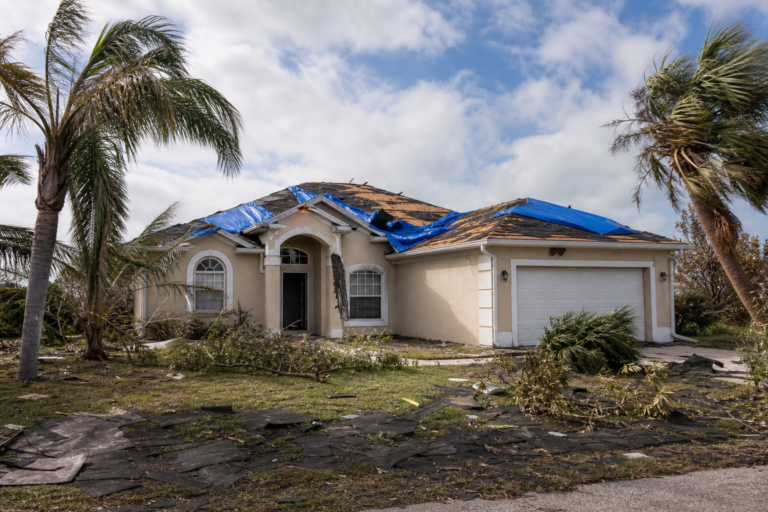
Florida’s building codes are the toughest in the country — and for good reason. After Hurricane Andrew devastated South Florida in 1992, it became clear that outdated construction standards were a major factor in the widespread destruction. The state responded by completely overhauling its building codes to ensure homes could withstand the storms that are a fact of life here.
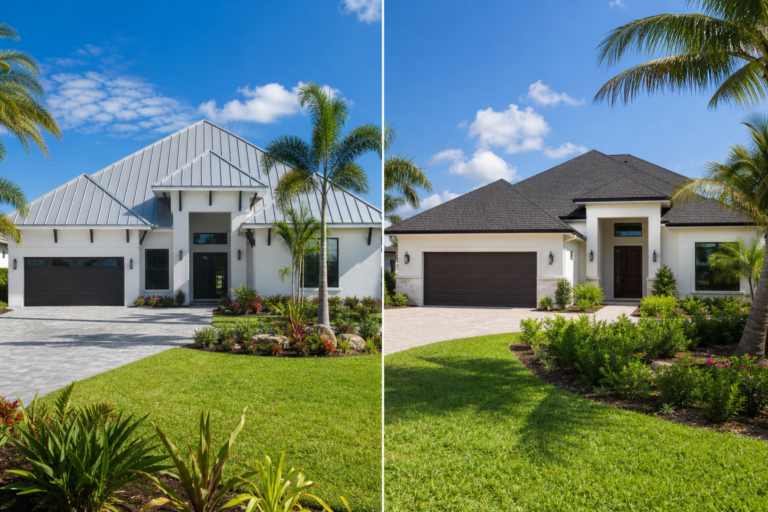
At Rebuild Florida Direct, every roof we install meets or exceeds current Florida Building Code requirements. Here’s what those codes require and why they matter for your home.
Why Florida’s Building Codes Exist
Hurricane Andrew caused over $27 billion in damage and destroyed or damaged more than 125,000 homes. Investigations after the storm revealed that much of the damage was preventable — homes simply weren’t built to handle hurricane-force winds.
In response, Florida created the Florida Building Code (FBC) in 2002 — a statewide standard that replaced the patchwork of local codes. It’s updated every three years based on the latest engineering research and storm data, making it a living document that continuously improves.
What the Code Requires for Your Roof
Your roof is your home’s first line of defense. Florida’s building codes focus heavily on roof performance:
Wind Resistance Standards
Every roof installed in Florida must meet specific wind speed ratings based on your location. The state is divided into wind zones, with the highest requirements along the coast:
- Inland areas: 130–140 mph design wind speed
- Coastal areas: 150–170 mph design wind speed
- Miami-Dade and Broward counties: 175–185 mph — the strictest requirements in the nation
Roof Deck Attachment
The plywood decking that sits on top of your trusses must be secured with specific nail patterns and nail sizes. The code specifies:
- Ring-shank nails (not smooth nails) for stronger hold
- Specific spacing — typically 6 inches on center at panel edges and 12 inches in the field
- Minimum 8d nails (2.5 inches) for most applications
Secondary Water Barrier
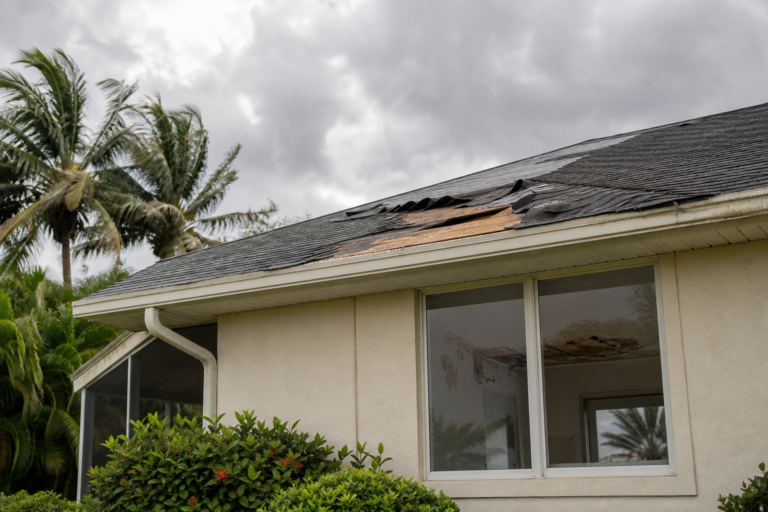
In the High Velocity Hurricane Zone (HVHZ) — Miami-Dade and Broward — a secondary water barrier is required beneath the roof covering. This means that even if shingles or tiles are torn off during a hurricane, the underlayment prevents water from penetrating your home.
Outside the HVHZ, enhanced underlayment is recommended but not always required. However, many local jurisdictions and insurance companies now require it statewide for new roofs.
Roof-to-Wall Connections
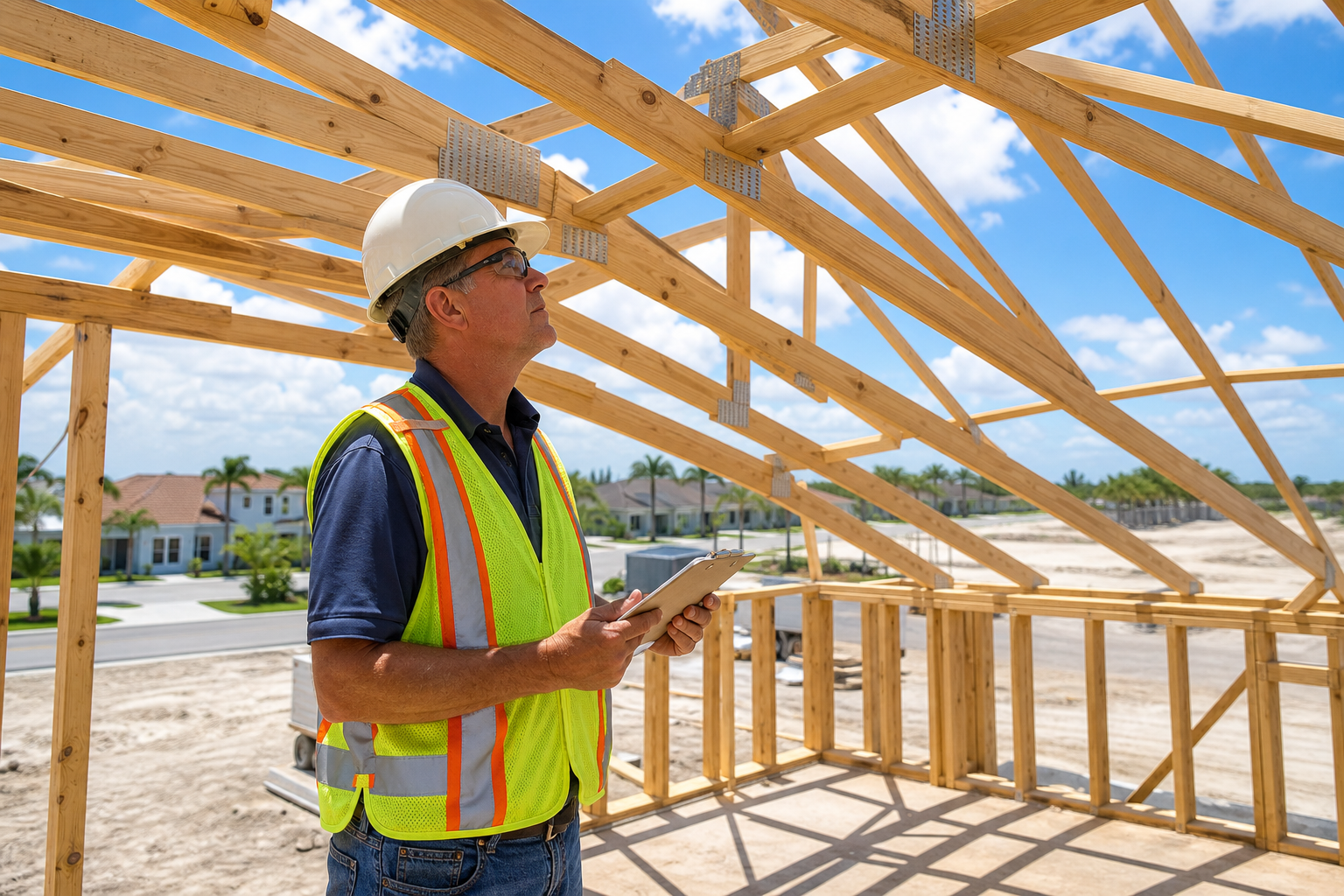
One of the most critical upgrades: hurricane straps or clips. These metal connectors tie your roof trusses to the walls of your home, preventing the roof from lifting off during high winds. The code requires:
- Approved hurricane clips or straps at every truss-to-wall connection
- Specific fastener requirements for each connector type
- Inspection to verify proper installation
The High Velocity Hurricane Zone (HVHZ)
Miami-Dade and Broward counties have their own enhanced requirements — the strictest in the world for residential construction:
- All roofing products must pass Miami-Dade Notice of Acceptance (NOA) testing
- Large missile impact testing — products must withstand a 9-lb 2×4 lumber fired at 50 fps
- Small missile impact testing for roof coverings
- Enhanced water infiltration testing under pressure
These requirements mean that homes built to HVHZ standards in Miami-Dade perform significantly better during hurricanes than homes built to minimum code elsewhere.
How the Code Affects Your Roof Replacement
When you replace your roof in Florida, the new roof must comply with the current building code — not the code that was in effect when your home was originally built. This means:
- If your home was built before 2002, your new roof will be significantly more hurricane-resistant than the original
- You may need upgraded underlayment, better fasteners, or additional hurricane straps
- A building permit and inspections are required for all roof replacements
- Your contractor must pull the permit and schedule inspections — this is non-negotiable
This is actually good news. Even though code-compliant roofs cost slightly more, they perform dramatically better in storms and often qualify for significant insurance discounts.
Insurance Benefits of Code-Compliant Roofs
Florida insurance companies use a wind mitigation inspection to assess your roof’s hurricane resistance. A code-compliant roof can earn you substantial premium discounts:
- Roof deck attachment: Up to 33% discount for reinforced nailing patterns
- Roof-to-wall connections: Up to 53% discount for hurricane straps (vs. toe nails)
- Roof covering: Up to 16% discount for rated roof coverings
- Secondary water barrier: Up to 52% discount when present
Combined, these discounts can save Florida homeowners hundreds to thousands of dollars per year on insurance premiums. A new code-compliant roof often pays for a significant portion of itself through insurance savings alone.
Permits and Inspections: Why They Matter
Some homeowners are tempted to skip the permit process to save time or money. Don’t:
- Unpermitted work can void your insurance coverage — If your roof fails during a storm and there’s no permit on file, your insurance company may deny the claim
- Unpermitted work creates problems when selling — Title searches reveal missing permits, which can delay or kill a sale
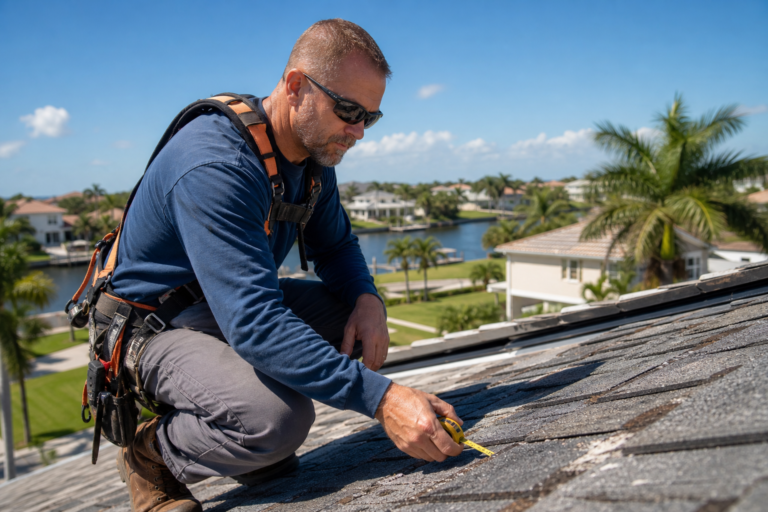
- Inspections catch mistakes — The inspector verifies that your contractor installed everything correctly
A reputable contractor handles the entire permit and inspection process for you. If a contractor suggests skipping the permit, that’s a major red flag.
Get a Code-Compliant Roof From a Licensed Contractor
Florida’s building codes exist to protect you. When you invest in a new roof, make sure it’s installed by a licensed contractor who knows the code inside and out — and who pulls proper permits for every job.
👉 Contact Rebuild Florida Direct to schedule your free roof inspection. We’ll assess your current roof, explain what code upgrades would be needed for a replacement, and give you a transparent quote — no surprises, no hidden costs.
Rebuild Florida Direct is a licensed, insured roofing contractor serving homeowners across the state of Florida. We specialize in storm damage repair, full roof replacements, and honest inspections — no gimmicks, no pressure.