5 Warning Signs Your Florida Roof Needs Immediate Attention
Florida roofs take a beating. Between the relentless sun, tropical storms, and daily afternoon downpours, your roof is under constant stress — even when it looks fine from the ground.
The problem is that most roof damage starts small. By the time you notice a leak inside your home, the underlying issue has often been developing for months. Catching the early warning signs can save you thousands of dollars and prevent major structural damage.
At Rebuild Florida Direct, we inspect hundreds of roofs every year. Here are the five warning signs we see most often — and what they mean for your home.
1. Missing, Cracked, or Curling Shingles
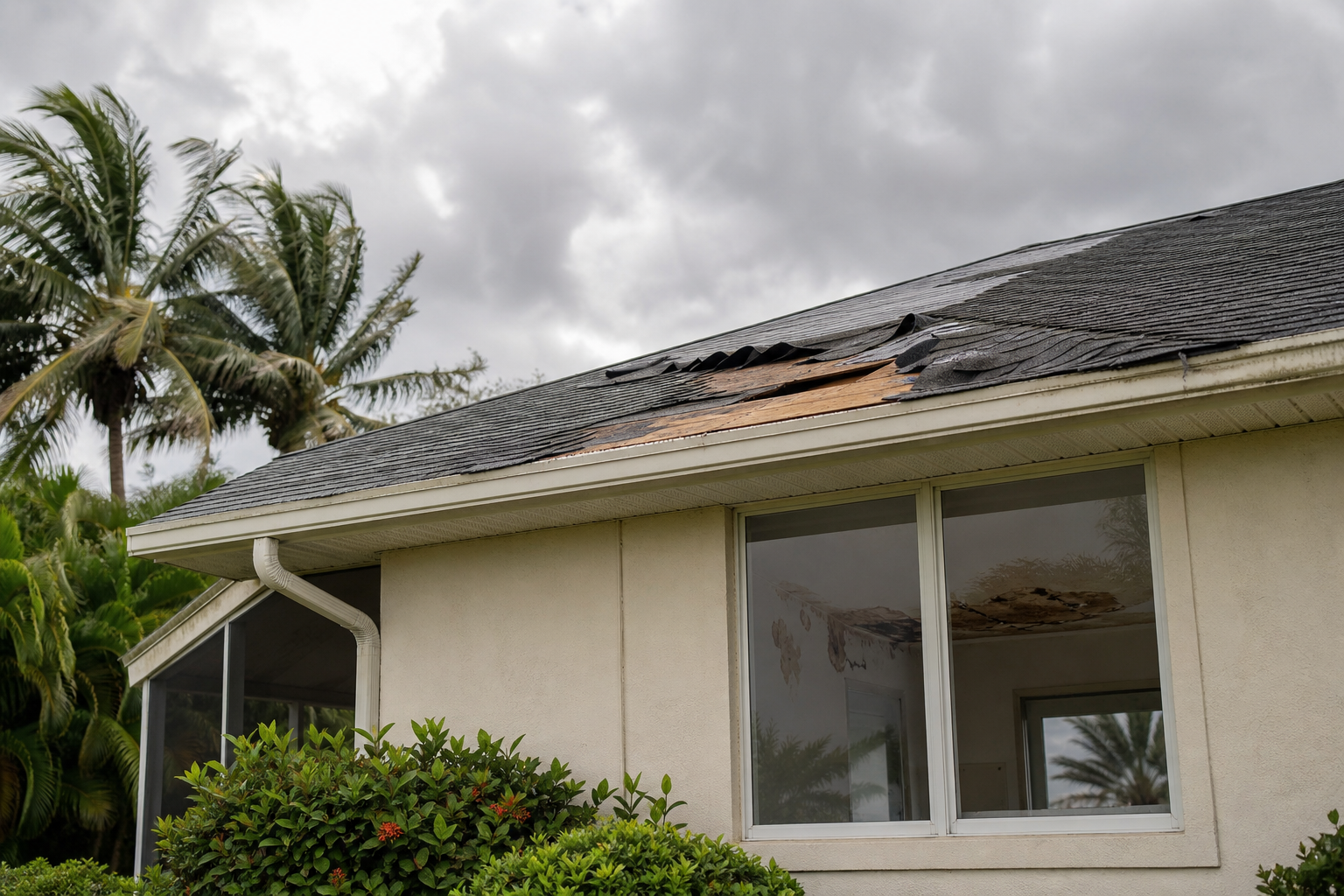
This is the most visible sign that your roof is deteriorating. After a storm, walk around your property and look up:
- Missing shingles — leaves the underlayment exposed to water and UV damage
- Cracked shingles — often caused by thermal cycling (hot days, cooler nights) over time
- Curling or buckling shingles — indicates moisture damage from below or shingles that have reached the end of their lifespan
Even a few missing shingles compromise your roof’s ability to shed water. In Florida, where a single afternoon storm can dump two inches of rain in 30 minutes, that gap matters more than you think.
What to do: Schedule an inspection. A few damaged shingles may only need a repair. Widespread damage often means it’s time for a replacement.
2. Water Stains on Your Ceiling or Walls
Brown or yellowish stains on your ceiling are never just a cosmetic issue. They’re a sign that water is getting in — and the source is almost always the roof.
Common causes include:
- Damaged flashing around vents, chimneys, or skylights
- Cracked pipe boots — the rubber seals around plumbing vents on your roof
- Debris buildup in valleys and gutters causing water to pool and seep under shingles
- Worn underlayment that no longer provides a secondary water barrier
In Florida’s humid climate, any roof leak creates an environment where mold grows fast. What starts as a small stain can become a health hazard and a costly remediation project within weeks.
What to do: Don’t ignore it or just paint over it. Get a professional roof inspection to find and fix the source before the damage spreads.
3. Granules in Your Gutters
Check your gutters the next time you clean them. If you see a buildup of dark, sand-like granules, your shingles are losing their protective coating.
Asphalt shingles are covered in ceramic granules that protect them from UV radiation. As shingles age — or take damage from hail and heavy rain — those granules wash off. Once they’re gone, the underlying asphalt is exposed to Florida’s intense sun and starts breaking down rapidly.
Signs to look for:
- Granule buildup in gutters or at the base of downspouts
- Dark or bare patches on your shingles when viewed from below
- Shingles that look noticeably lighter or more worn in certain areas
What to do: Some granule loss is normal on new roofs. But if your roof is more than 10 years old and you’re seeing heavy granule loss, it’s a sign the shingles are nearing the end of their useful life.
4. Sagging Roof Deck
A sagging roofline is one of the most serious warning signs. If your roof appears to dip or bow — even slightly — it usually means the decking underneath has been compromised by water damage or structural failure.
In Florida, this often happens because:
- Prolonged water intrusion has rotted the plywood decking
- Improper ventilation traps heat and moisture in the attic, weakening the wood over time
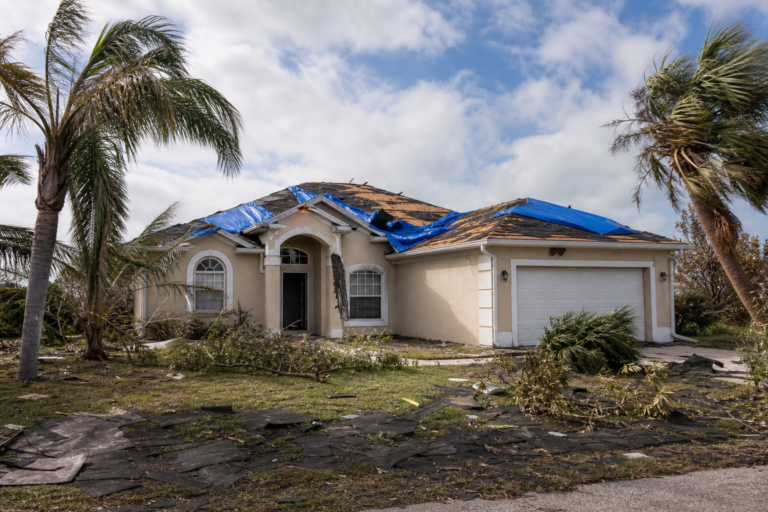
- Storm damage that went undetected after a hurricane or tropical storm
- Added weight from multiple roofing layers installed over the years without removing the old ones
A sagging roof is a safety issue. The structural integrity of the roof — and potentially the entire home — is at risk.
What to do: Call a licensed roofing contractor immediately. This is not a DIY situation. A professional needs to assess the decking, trusses, and overall structure to determine the extent of the damage.
5. Higher-Than-Normal Energy Bills
Your roof plays a major role in your home’s energy efficiency. If your electric bill has been creeping up — especially during Florida’s brutal summer months — your roof could be the culprit.
How a failing roof drives up energy costs:
- Poor ventilation traps hot air in the attic, making your AC work overtime
- Damaged or missing insulation under the roof deck lets conditioned air escape
- Dark, worn shingles absorb more heat instead of reflecting it
- Gaps and cracks allow outside air to enter and conditioned air to leak out
In Florida, air conditioning accounts for a huge percentage of your electric bill. A roof that isn’t performing efficiently can add hundreds of dollars per year in wasted energy.
What to do: If your energy bills have spiked without an obvious explanation, have your roof and attic inspected. Improved ventilation, new insulation, or a roof replacement with reflective materials can make a significant difference.
Don’t Wait for the Leak
The biggest mistake Florida homeowners make is waiting until water is coming through the ceiling to address their roof. By that point, the damage is extensive — and expensive.
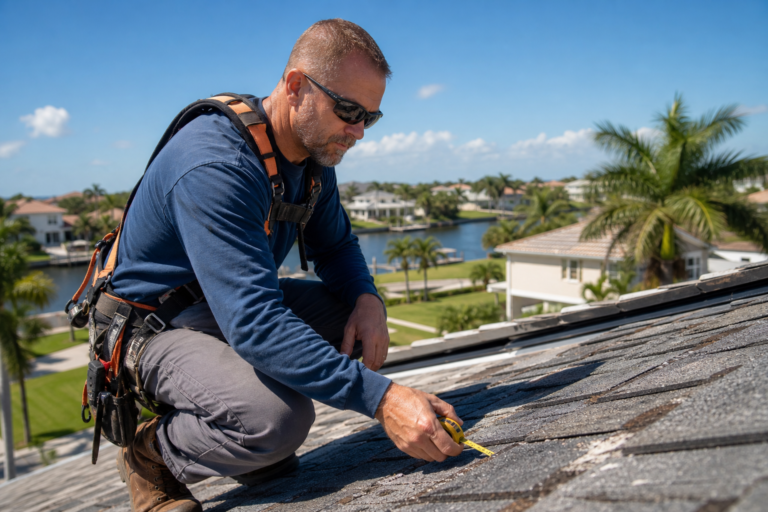
A proactive roof inspection catches problems early, when repairs are still affordable and manageable. At Rebuild Florida Direct, our inspections are completely free — no obligation, no pressure, no sales pitch. Just an honest assessment from a licensed professional.
Schedule Your Free Roof Inspection Today
Your roof protects everything underneath it. If you’ve noticed any of these warning signs — or if it’s been more than a year since your last inspection — it’s time to take a look.
👉 Contact Rebuild Florida Direct to schedule your free roof inspection and get peace of mind before the next storm season hits.
Rebuild Florida Direct is a licensed, insured roofing contractor serving homeowners across the state of Florida. We specialize in storm damage repair, full roof replacements, and honest inspections — no gimmicks, no pressure.